
Other Products: HHE/FXD
AirVent family →The final connection from trunk to terminal is never straight: it dodges beams, lights and other services. Flexible duct makes that turn: a wire-helix core in polyester film, wrapped with insulation and vapour barrier where the void is hot or cold. Cut to length, clamped on, done.
01
02
03
Keep it short and stretched: every metre of flex costs far more pressure drop than sheet duct, and crushed or sagging runs strangle terminals. Best practice is just enough to make the final turns.
The ceiling void is hotter or colder than the air inside the duct; uninsulated flex loses capacity and sweats. 25 mm insulation with a vapour barrier is the standard for concealed runs.
More from Other Products
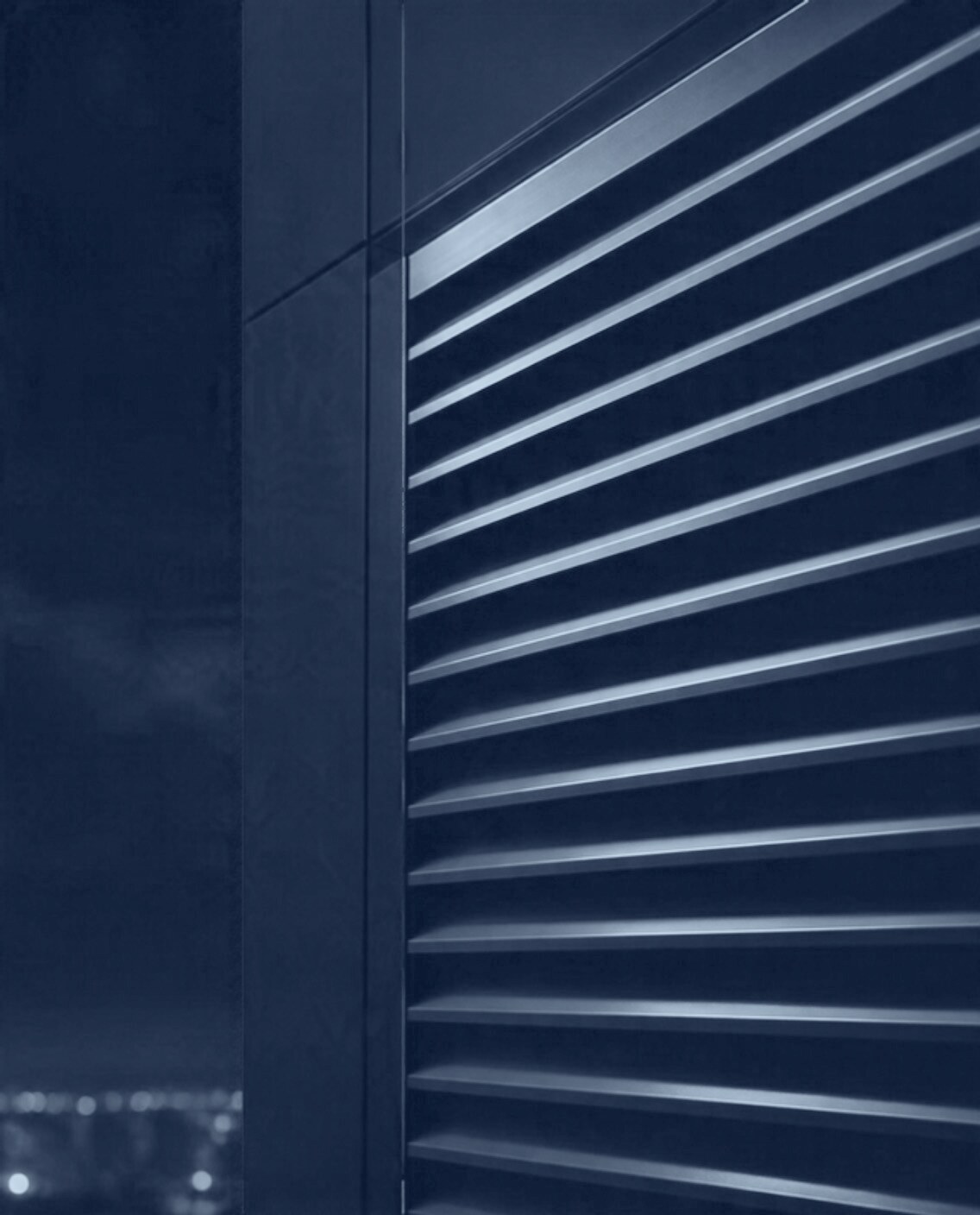
Drainable-blade fresh air louvers that let a building breathe while keeping monsoon rain, birds and insects out.
Z-profile blade louvers: deeper chevron blades for heavier weather protection at exposed intakes and facades.
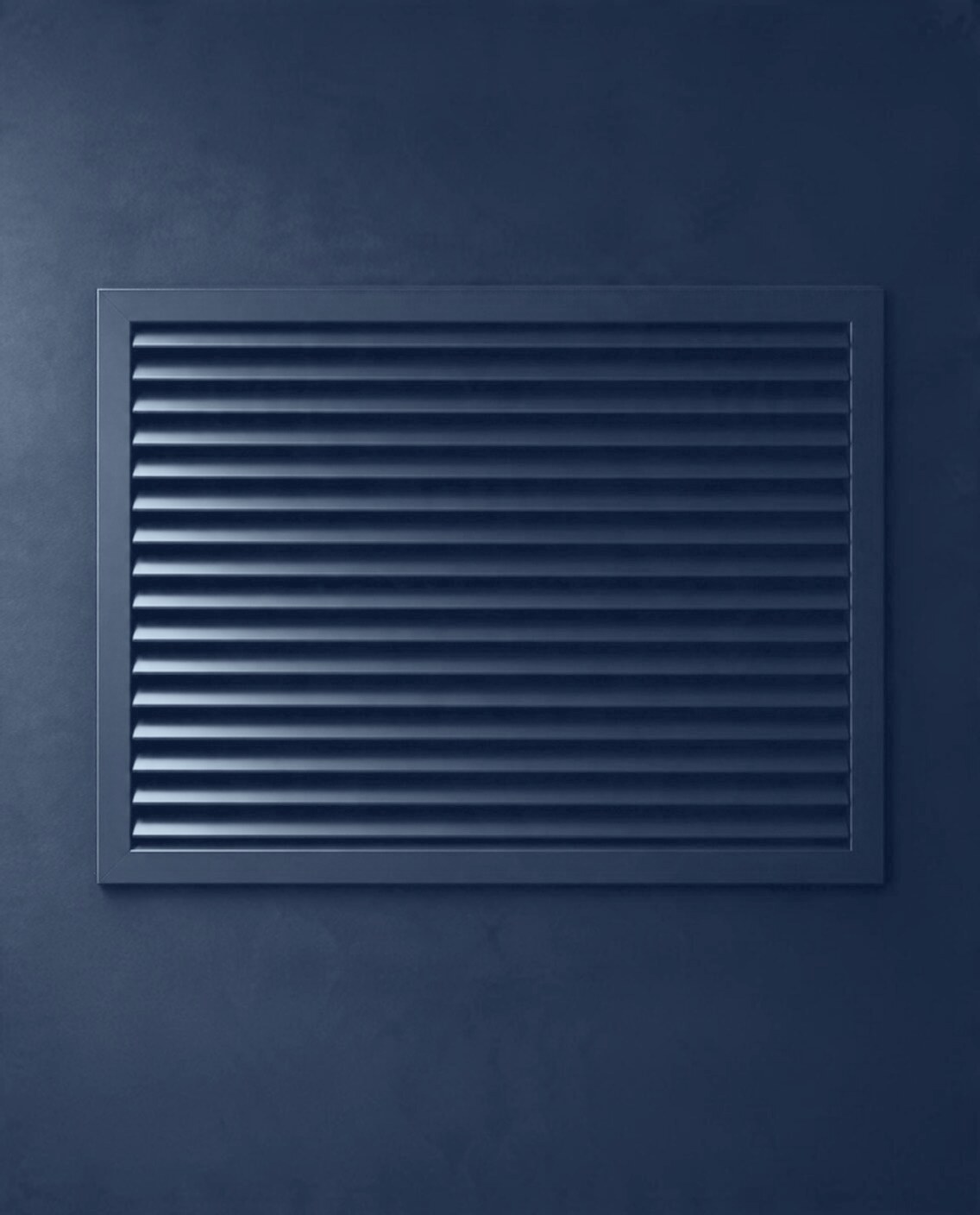
Slim fixed-bar louvers for doors and partitions: letting air move between rooms without opening a door or cutting a ceiling.
Enquiries
Next product